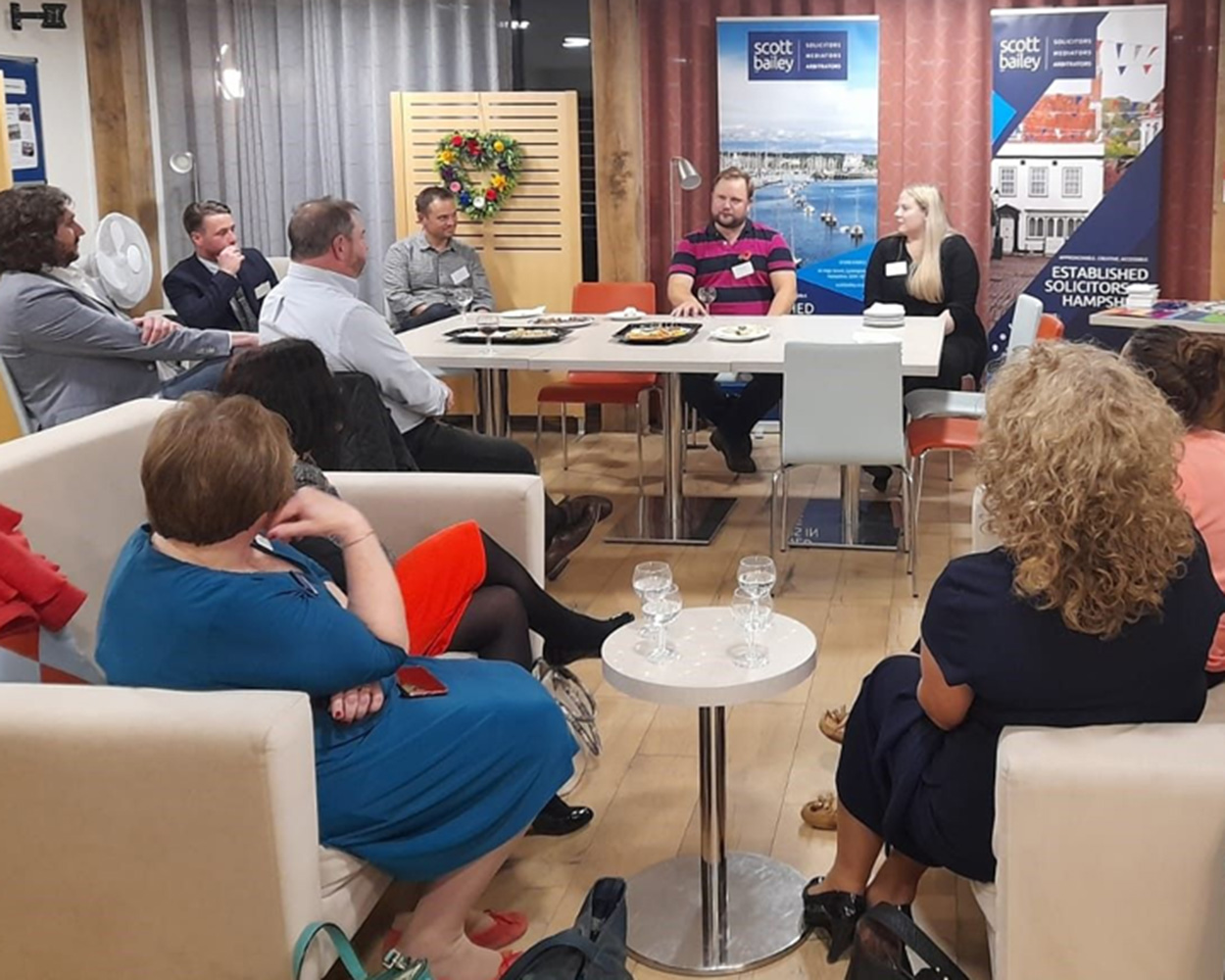
The Value of Business to Business Networking
Accessibility is not a niche. It is a mindset. Practical changes, better communication, and better outcomes, one person at a time.
Where it started
Our Bench began in 2001 because my mum, Mary, struggled to find somewhere she could stay that worked for her mobility. She needed ground floor accommodation, step-free access, a level wet room, and a raised toilet. These were not “nice to haves”. They were the basics that made a holiday possible.
Mum was ahead of her time. She later became heavily involved in the now defunct New Forest Access Group, advocating for better accessibility long before it was widely discussed.
How the cottages evolved
As Mum’s needs changed and she became a wheelchair user, the cottages evolved too. I became mum's advocate and carer, after my dad died and we lowered toilets to suit wheelchair transfers, while keeping equipment available to raise them when needed. We added ceiling hoists and essential specialist equipment, as I knew the challenges from first hand experience.
Accessibility is never static. It changes with people. Good accommodation and good visitor experiences need to adapt with them.
2012 and “out of the box” thinking
In 2012 we added Garden Bench. By then I could see a growing need for accommodation for a family of five, and for private garden spaces. My own child was diagnosed with a rare episodic neurological condition. It presented in many different ways and it taught us something important.
Disability does not fit neatly into a category. It often requires flexibility, communication, and creative problem solving. I shared my son’s story and found support through online networking with families and professionals. I was advocating for my mum and my son at the same time, very much the sandwich generation.
Read my parent's guide here: www.kleinelevinsyndrome.co.uk
Connecting people to accessible holidays
I took over the Limited Mobility & Wheelchair Friendly Accommodation Facebook group, where like-minded establishments can talk directly with guests. We now have over 4,000 members and I am the sole admin.
Through this group, I help connect families to holidays across the UK. I also hear, daily, the barriers that stop opportunities from happening, and the small details that make the biggest difference.
Networking for change
In 2025, I was no longer needed to commit such a large amount of time to hands-on caring. Wondering, what next, I was reminded of our business aim, to make a difference one family, one person at a time. That became the start of a new chapter.
I started networking and sharing accessibility insights with local businesses, asking better questions and exploring practical ways to improve visitor experiences. At this time almost 1 in 5 of the population are disabled, many older people do not identify as disabled but seek accessible experiences, and disability is the only minority group that can effect anyone at anytime in their life, and yet awareness within my business networks is minimal - so one discussion at a time, I hope to make a difference.
Current connections & Expanding Networks
- Oakhaven Business, supporting the local hospice and raising local awareness - it is not just end of life, that have access needs.
- Lymington Chamber of Business, providing networking opportunities in Lymington, and increasing awareness of the service user with additional needs.
- New Forest Business Partnership, networking with New Forest Businesses, asking about their clientele and learning about new approaches with a disability perspective forefront in the conversation.
- Scott Bailey's New Forest Women in Business whose meetings are a great opportunity to share advice and experiences with one another that will leave you feeling inspired, with people whom are often in a sandwich role in life, caring for children or elderly loved ones as well as their own professional lives.
- Hampshire’s Top Attractions Fayre, talking with attractions about how they welcome guests with mobility needs, how they share that information and how small changes make a difference.
At first I was not sure what I had to offer. I do not personally have mobility needs.
But 25 years of real-world experience gives you a lens that many businesses have never looked through.
If I make one person think, I am achieving my goal.
Challenges that I have implemented
- Go New Forest CIC, discussing with their CEO how marketing can connect better with disabled guests and families, and untapped opportunities, going through their web site and talking them about how adding access statements to all businesses on the same place on every listing, and making this searchable could improve their site for so many! Read more about how accessibility isn't something any one business owns, it's something we build together.
- I have challenged speakers by asking how many disabled audiences they have pitched to this year and why. It is amazing to see the realisation on their faces.
- I have also spoken with accessible businesses who feel their ideal client is not online. Often, the family members, friends, and carers are online, and they are the connectors who help make holidays happen.
- I had a conversation with Matthew and Alice, from the New Forest business partnership about how something as simple as not mentioning accessibility on event listings can unintentionally exclude people. If you don’t know what to expect, it’s much harder to say yes. It was brilliant to see New Forest Business Partnership take this on board and add an accessibility statement to their events - encouraging business owners to talk to them about their specific needs.
- I have asked a personal trainer to think about how many people they have seen with a mobility impairment using their facilities in the past month, then followed it encouraging them to think why and it led to some really though provoking discussions for them, and a greater awareness by the next time I saw them.
- I have suggested out of the box sleeping solutions for a couple who still wanted to share a bedroom, but with a hospital bed and limited space thought their only option was sleeping on the floor. It wasn't the perfect answer, but it was a whole new way of thinking.
This is how change happens
Through conversation. Through challenge. Through practical ideas that even small businesses and individuals can implement. I am determined to keep going and will continue to share insights and learning here.
Work with us
If you run a local attraction, café, shop, accommodation, or visitor experience and want to be more welcoming to disabled guests and families, we can share practical improvements and help you ask the right questions.
Frequently asked questions
What does “accessibility networking” mean?
It means speaking with businesses, attractions and organisations to improve how they welcome disabled visitors. Sometimes it is physical access. Often it is information, language, staff confidence, and small practical changes.
Do small businesses need a big budget to improve access?
No. Some of the biggest improvements are low cost or free, such as clearer access information, better signage, staff awareness, and small layout changes.
Why focus on families, carers and friends too?
Because decisions are often made with support from others. Better information helps everyone plan, and it reduces anxiety and uncertainty for disabled guests.
But what is an Access statement?
An access statement is personal to each and every business - it is not about whether you are wheelchair accessible, it is a detailed description of how to access your business so the end user can make the decision easily and quickly on whether it is suitable to them. We have started creating a guide here: What is an Access Statement?
Last updated: April 2026