Understanding our guests, helps us provide great experiences.
At Our Bench, we know that feeling safe and understood can make all the difference to a holiday experience, especially for families travelling with additional needs, autism, dementia or anxiety around unfamiliar situations.
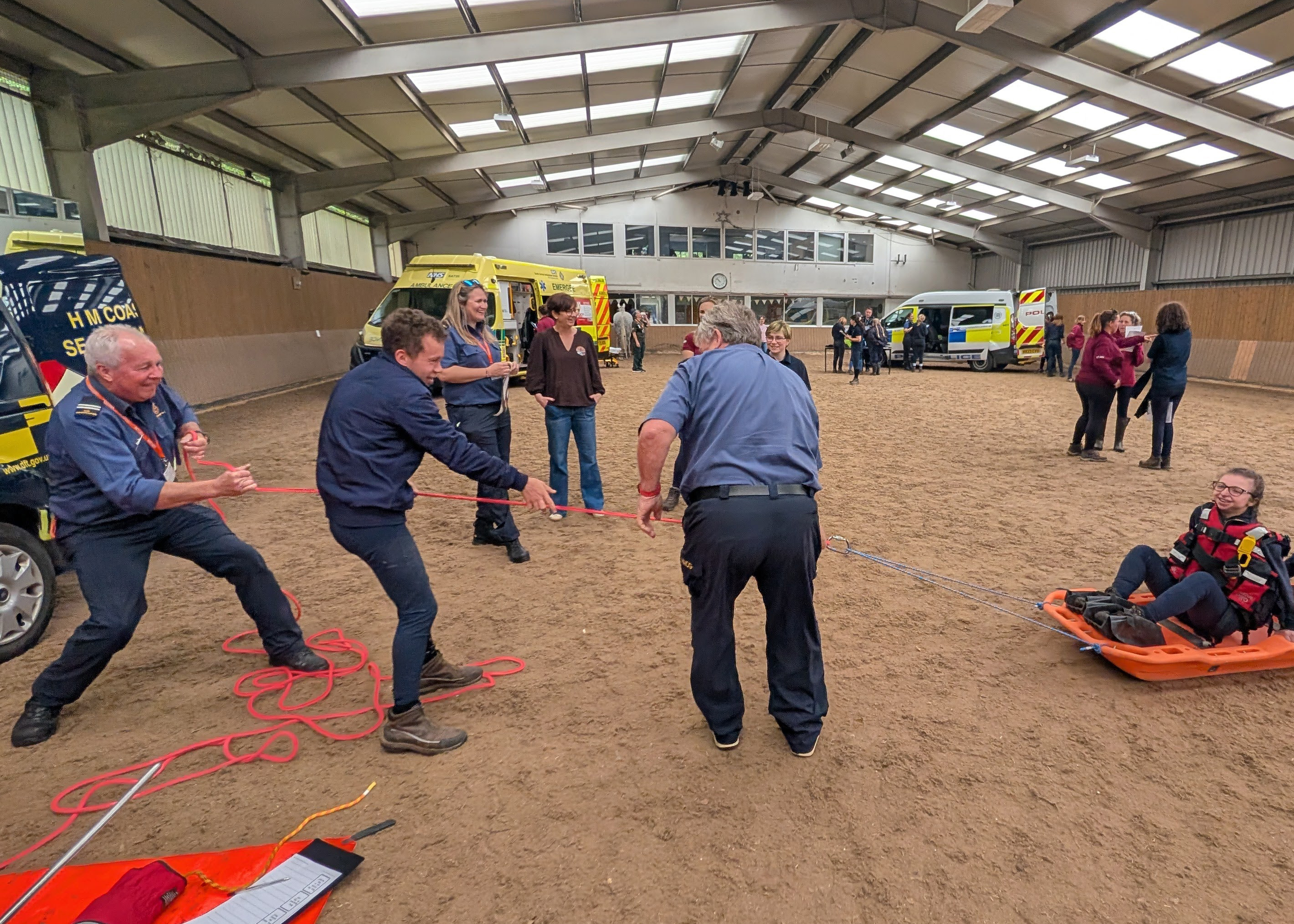
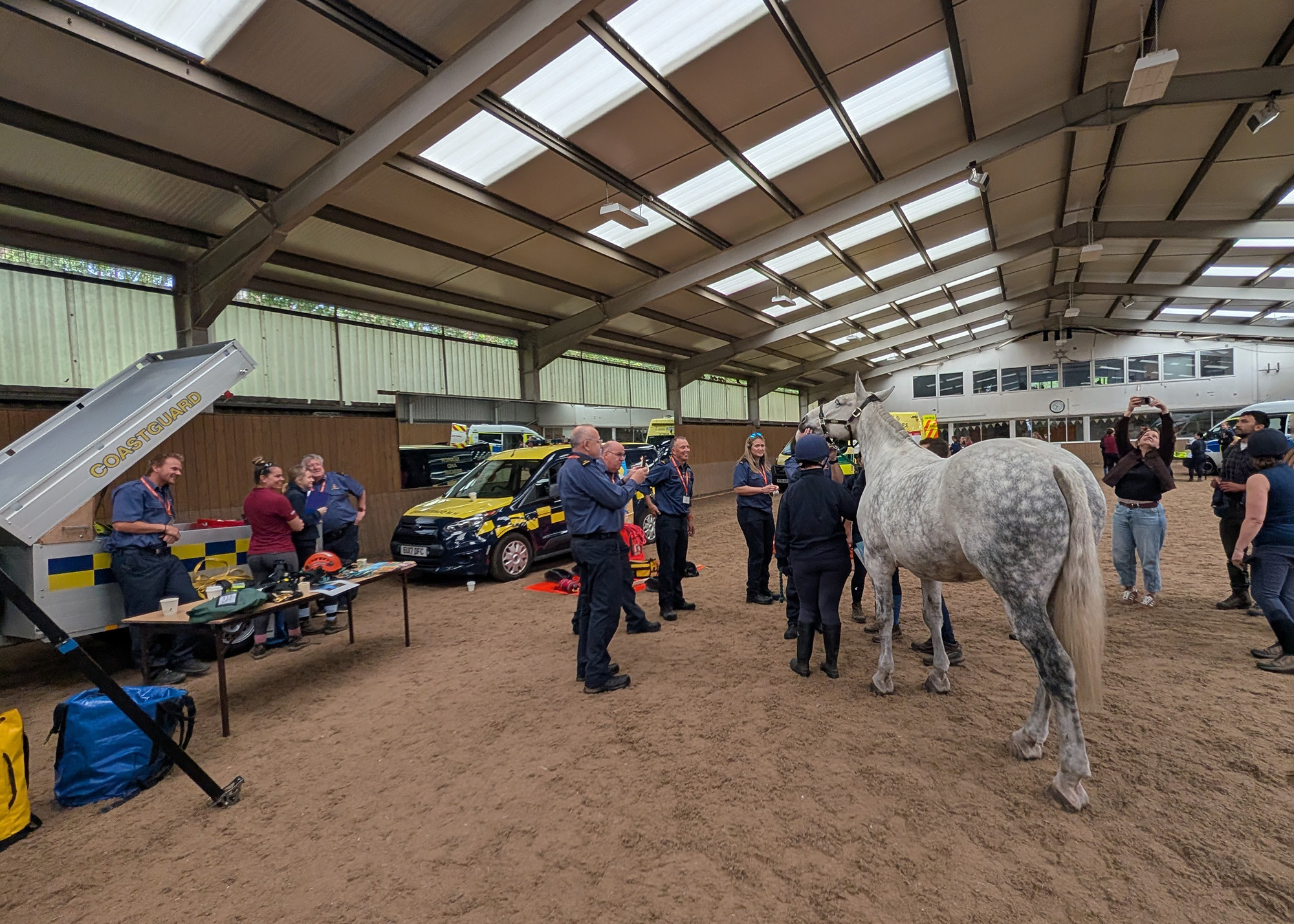
Recently, Matt attended a specialist Emergency Services Day through his role as a volunteer Coastguard Rescue Officer. The event was hosted by a residential education college - Fortune College - supporting young people aged 16 to 25 with additional needs, and brought together emergency services teams, students and staff to share knowledge and experiences.
The day focused on something incredibly important: how emergency responders can adapt their communication and approach to help neurodivergent individuals feel calmer, safer and more supported during stressful situations.
From simple communication adjustments to understanding sensory overwhelm, the training explored practical ways to reduce anxiety during emergencies, including:
- allowing extra processing time
- limiting noise and stimulation on approach
- not forcing eye contact
- understanding tics and self-regulation behaviours
- using calm, one-to-one communication
- explaining situations clearly and simply
The students and staff shared first-hand experiences of what helps and what can make situations feel more frightening or overwhelming. In return, emergency service teams were able to explain rescue procedures and how they work to keep people safe.
It was a fantastic opportunity to learn from each other, helping us better understand how to make emergency situations less daunting and how best to support those involved.
One of the practical sessions involved roleplaying a mud rescue scenario in the college’s indoor riding arena, helping everyone understand how communication and reassurance are just as important as the physical rescue itself.
For us at Our Bench, experiences like this are incredibly valuable.
Every family experiences the world differently, and the more we learn, the better support we can offer our guests before and during their stay. We already work closely with families to help reduce uncertainty and anxiety around holidays, including creating social stories, providing detailed information about the cottages and local area, and helping guests plan activities that feel manageable and enjoyable.
You can read more about how we support autistic guests and families here: Accessible Autism Friendly Holidays at Our Bench
This knowledge also complements tools we already use, such as the Herbert Protocol for guests living with dementia or memory difficulties. The Herbert Protocol is a nationally recognised scheme that helps carers and emergency services share vital information quickly should a vulnerable person go missing. Understanding communication needs, sensory responses and reassurance strategies can make these situations safer and less distressing for everyone involved.
At Our Bench, accessibility is not just about equipment or physical adaptations. It is also about understanding people, listening carefully and creating an environment where guests feel comfortable being themselves.
A huge thank you to everyone involved in the training day for such an open, thoughtful and inspiring experience. Shared learning like this helps all of us create safer, more welcoming communities.
Last updated: May 2026